

DidgElement
About
Why choose DidgElement
Benchmark didgeridoos
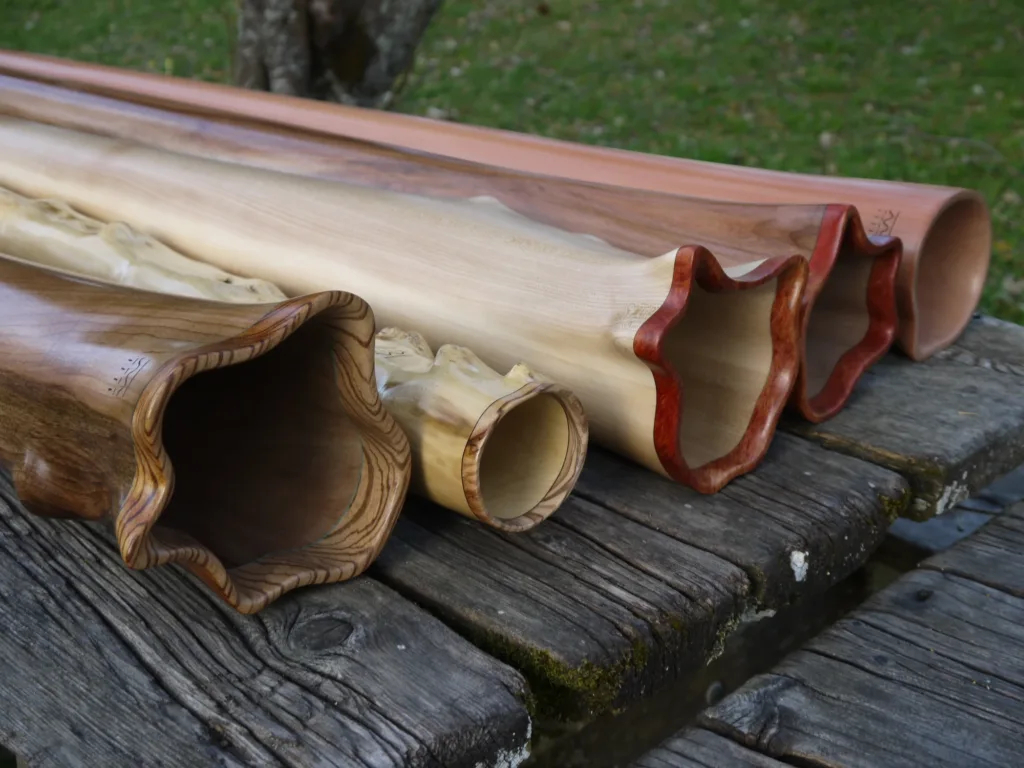
My didgeridoos are considered high-end. I pay particular attention to the tuning, balance and finish of my instruments.
With more than 20 years of playing experience, I set out to analyse the different playing techniques, often associated with a particular type of air column. Today, with over 15 years of experience as a didgeridoo maker, I put this know-how at the service of your playing.
I am here to support you in your musical project and to make the didgeridoo that suits you best.
Who am I?
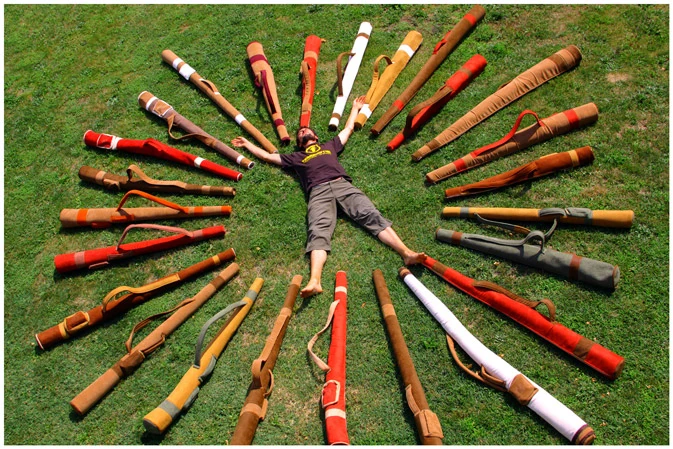
Christian Gueret, didgeridoo maker
I started playing music at the age of 8 and have never stopped since. At 17, the didgeridoo was a true encounter, both physical and spiritual: I simply couldn’t stop playing.
Making instruments came along in 2007, and my passion for woodworking has only grown since. From making didgeridoos out of branches to replacing wax mouthpieces with wood, I was never afraid to try anything to improve my didgeridoos and, above all, to personalise them and make them truly my own.
Over the next two years, I developed my skills as a maker and started my own business making didgeridoos. Thanks to this journey and my 15 years of experience, I now share my creations with many players and also collaborate with professional musicians.
The wood
A living material
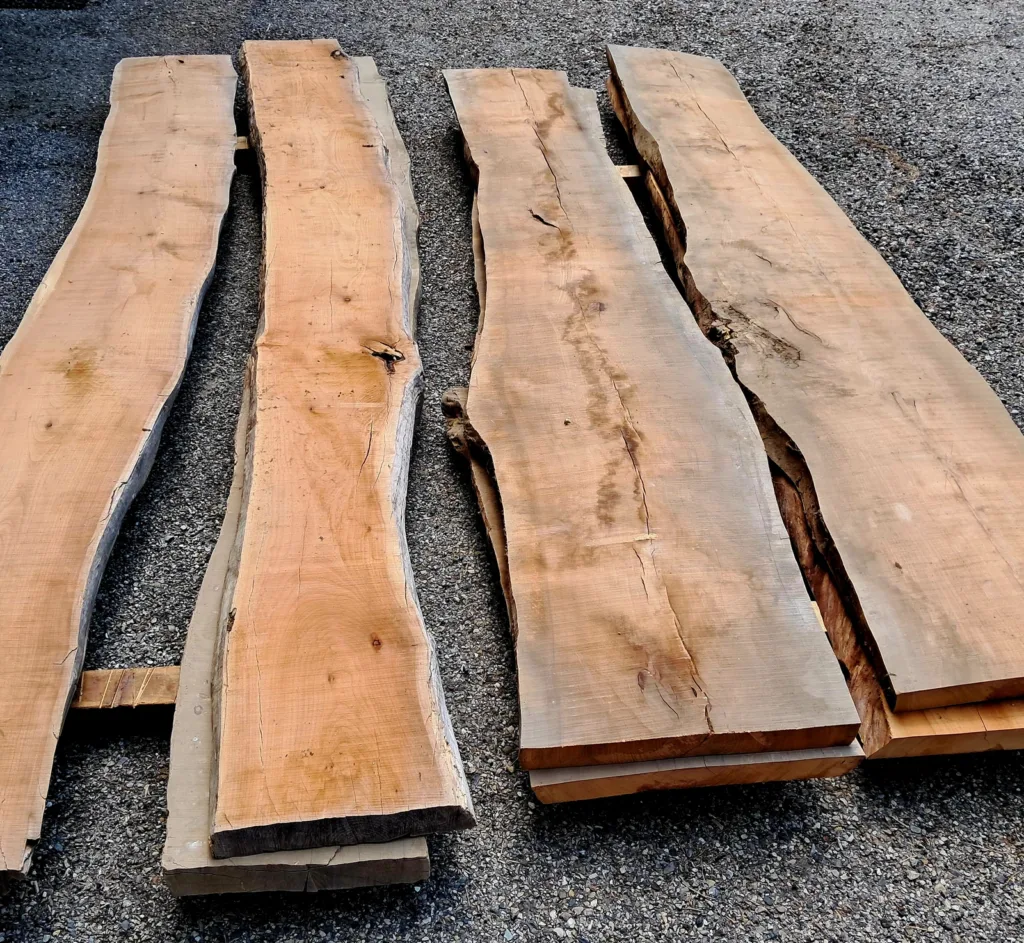
Discovering this noble material was a revelation, and I am still in awe of certain trunks and branches. Choosing the wood species is an important part of the making process, as the sound characteristics vary depending on the wood used. The colours and grain of each species also bring a different look, which I strive to bring out.
Using French, local woods matters a great deal to me: cherry, maple, walnut, elm, pear, ash and many others. Trunks and boards are selected according to their shape and their flaws.
Every tree is unique, and that is the philosophy behind every didgeridoo I make.
Making
Creating vibrations
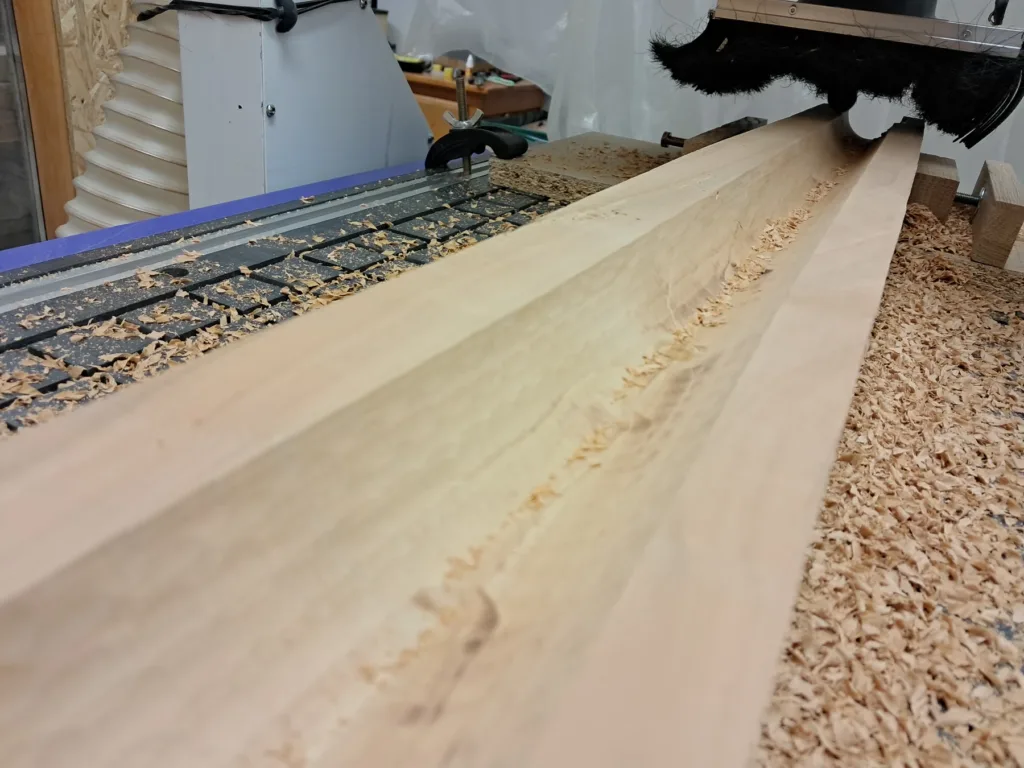
It is made using the so-called “sandwich” method: two halves are hollowed out symmetrically, then glued back together to form the air column.
The first stage of hollowing is done on a CNC milling machine, which guarantees the acoustic performance of each of my instruments. After gluing, the outer shape is carved to follow the air column, shaping the look and balance of the instrument. Sanding is then carefully done by hand.
Tuning takes place in several stages, alternating test playing and adjustments to the air column, to optimise sound quality and playability.
Mouthpieces are made of wood (pear and apple), more hygienic and more responsive than beeswax. The inside is finished with at least three coats of professional water-based polyurethane varnish (EU Ecolabel and EN 71-3 toy safety standard). Outer finish of your choice: hard satin oil, or matt, satin or gloss varnish.

Order
My experience at your service
Since I started out, I have worked to order, and it is a real privilege to make the instruments players ask me for: a rich shared experience that reflects each player’s personality through my creations. Crafting the instrument of your dreams is both a challenge and a pleasure.
Would you like to order a didgeridoo? Feel free to contact me: I will help you find, as precisely as possible, the type of instrument that suits you.
Lead time is 4 to 8 weeks for the DidgElement range, and 6 to 12 weeks for a custom-made model or an Evoludidg.

Warranty
& care
Warranty: 2 years against cracks and natural defects. Personalised after-sales service, repairs and follow-up whenever needed.
Care: the inside can be cleaned with a non-corrosive soap (such as black soap). Rinse and dry your instrument thoroughly before playing. You can also use a few drops of Eucalyptus radiata essential oil, which purifies the air and acts as an antibacterial.
Avoid sudden changes in temperature and direct sunlight: wood is a living material. Always use the pad provided to rest the instrument on the floor; I also recommend a didgeridoo stand. After playing, let your instrument dry upright in a well-ventilated room, then store it in its bag.